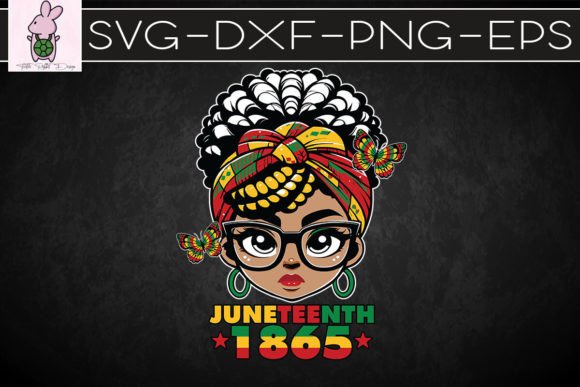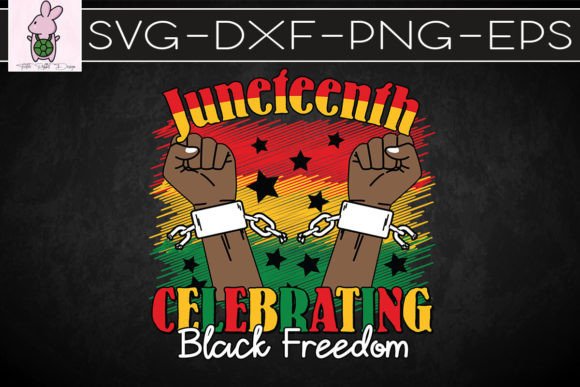
Juneteenth Young Boy BLM SVG: Graphics for Crafts-Driven Branding
As a brand designer who’s helped over 70 local businesses—from neighborhood bakeries to handmade soap studios—build cohesive, culturally grounded visual identities, I approached Juneteenth Young Boy BLM SVG not as clipart, but as a potential brand element. My first test? Applying it to the seasonal packaging refresh for “Sankofa Sweets,” a Black-owned artisanal cookie shop launching a Juneteenth collection. The moment I dropped the SVG into their label mockup, the mood shifted: warm, affirming, human-centered—not performative, not generic. It reads as intentional, respectful, and quietly confident—suggesting a brand personality that’s community-rooted, proudly modern, and deeply personal.
A Design Asset That Anchors Meaning, Not Just Aesthetics
This isn’t decorative filler. Juneteenth Young Boy BLM SVG carries narrative weight. Its line work feels hand-informed yet precise—clean enough for crisp print, expressive enough to avoid sterility. In practice, it leans toward “friendly premium”: approachable without sacrificing dignity, illustrative without veering into cartoonishness. For a small business branding project, that balance is rare—and valuable. It fits naturally with organic skincare brands using kraft labels, children’s product lines emphasizing joy and representation, florists curating Juneteenth bouquets, or coffee shops designing limited-edition mugs and tote bags. It doesn’t scream; it resonates.
Where This Graphic Design Asset Earns Its Place in Real Business Use
In the hands of a local business owner or creative entrepreneur, Juneteenth Young Boy BLM SVG becomes functional storytelling:
- Product labels & packaging accents: Works beautifully as a subtle corner motif on jar stickers for honey or hot sauce, or as a central graphic on limited-run tea box wraps—adding warmth without overwhelming ingredient lists.
- Hero graphics & seasonal campaign visuals: Scales cleanly from Instagram carousel banners to in-store posters. Its high-res PNG with transparent background ensures sharp integration over textured paper or linen backgrounds.
- Thank-you cards & hang tags: Paired with a warm serif font, it elevates handmade goods—think ceramic mugs or soy candles—making unboxing feel personal and purposeful.
- Social media graphics & printable design: The SVG and DXF formats allow quick resizing for Instagram Stories, Facebook event covers, or printable Juneteenth resource sheets for community workshops.
- Product mockups & marketing visuals: Drops seamlessly into Canva templates or Adobe Illustrator mockups—no pixelation, no jagged edges. Crucial when presenting to vendors or pitching to local markets.
How It Strengthens Local Business Presentation
Small business branding lives or dies on perception—and perception is shaped visually, instantly. Using Juneteenth Young Boy BLM SVG thoughtfully supports real business outcomes:
- Stronger first impression: Customers scanning a farmers’ market table notice authenticity before reading a single word.
- Better product recognition: Consistent use across labels, stickers, and digital ads builds visual recall—especially important for seasonal offerings.
- Clearer visual hierarchy: When placed intentionally (e.g., above a tagline, beside a logo lockup), it guides the eye without competing with core messaging.
- More consistent brand identity: Serves as a unifying motif across touchpoints—packaging, website banners, email headers—reinforcing values without repetition fatigue.
- Improved customer trust: Thoughtful, culturally informed design signals respect and intentionality—key for community-based businesses.
Smart Placement: Where It Shines—and Where to Pause
This graphic design asset excels in contexts where humanity and heritage are central: boutique visuals, seasonal packaging, social media campaign graphics, thank-you cards, and product mockups. It adds quiet gravity to candle labels, uplifts children’s book launch kits, and grounds floral arrangement branding in meaningful symbolism.
Use with care in:
- Formal corporate branding systems (e.g., law firms or financial advisors)
- Very small labels (< 1” height) where detail may blur
- Crowded packaging layouts—especially where legal text or nutrition facts dominate
- Ingredient-heavy food labels where clarity trumps decoration
- Low-contrast backgrounds (e.g., light gray on off-white) unless tested for legibility
- Luxury minimalist brands relying on negative space and restraint
Practical Brand Designer Notes Before You Implement
Before locking Juneteenth Young Boy BLM SVG into your client’s packaging design or social media calendar, run these checks:
- Test it on real packaging mockups—not just screen previews—to assess scale and emotional impact at shelf level.
- Convert to grayscale: Does it retain definition? Essential for black-and-white printing or monochrome merch.
- Preview on small labels (e.g., 1.5” round sticker): Does the boy’s expression remain legible?
- Layer it over your brand’s primary and secondary colors—does contrast hold? Does it harmonize with your palette’s warmth or coolness?
- Compare side-by-side with competitor packaging: Does it differentiate—or blend in?
- Check print quality: Run a test print on your intended substrate (kraft paper, matte sticker vinyl, etc.). Vector scalability means little if ink bleed distorts fine lines.
- Inspect PNG transparency: Are edges truly clean? No halo? Critical for seamless web and digital use.
- Verify SVG editability: Can you isolate and recolor elements in Illustrator or Affinity Designer? Useful for customizing skin tone or garment color.
- Test typography pairings: Try it beside serif, sans serif, script, handwritten, and display fonts—some combinations soften its presence; others sharpen its focus.
- Confirm commercial license: Ensure usage rights cover physical product sales, client work, and promotional distribution—not just personal projects.
For local business owners, handmade sellers, and creative entrepreneurs building authentic, values-aligned brands, Juneteenth Young Boy BLM SVG isn’t just another digital product—it’s a considered tool for visual empathy. When used with intention, it supports stronger small business branding, more resonant packaging design, and marketing visuals that honor both craft and culture.