Mental-Health Matters SVG Graphics for Crafts
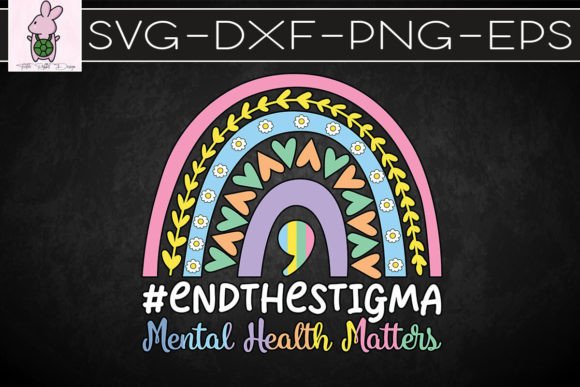
As a brand designer who’s developed visual identities for over 30 local businesses—from lavender soap studios in Asheville to sourdough bakeries in Portland—I recently evaluated the Mental-Health Matters End the Stigma SVG for a real-world project: rebranding a small-batch candle and self-care boutique in Austin. What stood out immediately wasn’t just its message, but how its visual language lands—soft curves, balanced negative space, and a gentle yet grounded typographic rhythm. It reads as compassionate, modern, and quietly confident—not clinical or activist-poster bold, but human-centered and approachable. That makes it ideal for handmade businesses, wellness-focused food labels (think matcha latte cups or herbal tea tins), skincare packaging, and boutique gift tags where emotional resonance matters as much as aesthetics.
A Design Asset That Builds Trust Before the First Word
This isn’t clipart—it’s a considered graphic design asset that supports small business branding by reinforcing authenticity. When placed on a thank-you card tucked into a handmade soap box or printed as a subtle watermark on a café’s seasonal menu, the Mental-Health Matters End the Stigma SVG signals alignment with values without shouting. It strengthens first impression and deepens customer trust because it feels intentional, not templated. For local businesses competing on empathy—not just price or convenience—that quiet consistency across packaging, social media graphics, and in-store signage builds recognition faster than any flashy logo alone.
Where It Shines in Real Local Business Use
- Product labels: Works beautifully as a secondary brand element beside ingredient lists—especially on apothecary-style jars or kraft-paper coffee bags where soft contrast and clear hierarchy matter.
- Packaging accents: Perfect for die-cut sticker seals on candle boxes, foil-stamped hang tags for botanical teas, or embossed liners inside gift boxes.
- Social media graphics: The PNG files with transparent background scale cleanly for Instagram carousels, Facebook event banners, or Pinterest-ready quote cards—no pixelation, no awkward white edges.
- Printable design & promotional visuals: Ideal for printable inserts in subscription boxes, limited-edition campaign posters, or seasonal pop-up shop banners where warmth and clarity must coexist.
- Product mockups: I tested it on Canva and Adobe Illustrator mockups for ceramic mugs and linen tote bags—the SVG vector handles resizing flawlessly, and the clean lines hold up even at 2x resolution for print-on-demand platforms.
Where to Proceed With Intentional Design Choices
The Mental-Health Matters End the Stigma SVG excels when given breathing room—but it’s not universally flexible. Avoid using it on formal corporate branding materials like investor decks or legal disclaimers; its tone is relational, not regulatory. Steer clear of very small labels (under 1.5 inches wide) unless you’ve tested legibility at actual print size—some fine strokes soften at micro-scale. It can compete visually in crowded packaging layouts (e.g., multi-ingredient food labels), so use it as a hero element—not background filler. And while it pairs well with organic, feminine, or modern design systems, it doesn’t serve luxury minimalist brands aiming for stark monochrome silence. If your brand voice leans toward austere elegance, this asset may feel too warmly declarative.
Practical Brand Designer Notes You’ll Actually Use
- Test the SVG on real packaging mockups—not just screen previews. Print a 2-inch version on your label stock to check stroke clarity and color fidelity.
- Verify black-and-white usage: convert to grayscale and assess contrast. Does the message remain legible on kraft paper or uncoated cardstock?
- Preview alongside your brand colors. Does it harmonize with your primary palette—or does it unintentionally shift your visual hierarchy?
- Compare it against competitor packaging in your category. Does it stand out with distinction, or blend into expected tropes?
- Inspect the PNG transparency layer in Photoshop or Figma—no stray pixels or haloing around curves.
- Open the SVG in Illustrator and confirm all paths are editable, grouped logically, and free of hidden layers or embedded raster elements.
- Test typography pairings: set it beside serif (e.g., Playfair Display), sans serif (e.g., Inter), script (e.g., Pacifico), and handwritten fonts. Note which combinations elevate—versus distract from—the message.
- Confirm commercial license terms before applying it to physical product sales, client work, or digital templates sold on creative marketplaces.
More Than Decoration—A Strategic Brand Identity Tool
For the Austin candle boutique, we used the Mental-Health Matters End the Stigma SVG as a cornerstone of their “Mindful Light” seasonal campaign—not as a logo, but as a recurring visual motif across candle jar labels, Instagram story highlights, and reusable shopping bag prints. Customers began recognizing it as shorthand for the brand’s commitment to mental wellness and community care. That’s the power of a well-chosen graphic design asset: it becomes part of your brand identity’s emotional grammar. It supports professional branding not by being flashy, but by being consistently meaningful—across product mockups, editorial design, web design, and marketing visuals.
Whether you’re launching a new line of herbal tonics, designing packaging for locally roasted coffee, or building social media graphics for a children’s mindfulness kit, this Mental-Health Matters End the Stigma SVG delivers more than decorative flair. It’s a commercially viable, technically sound, emotionally intelligent piece of digital product infrastructure—designed for crafts and built for real local business impact.