Its Okay to Not Be Okay Mental SVG
A Designer’s First Look: Quiet Strength in Simple Lines
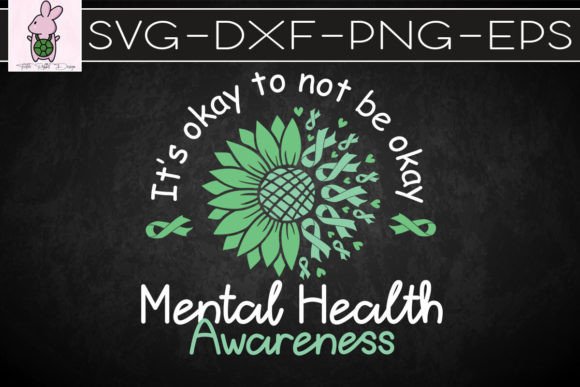
When I opened Its Okay to Not Be Okay Mental SVG, I didn’t see just another mental wellness graphic—I saw a design with quiet intention. The layout is clean, centered, and cup-sized—meaning it fits naturally on the chest of a sweatshirt, the front pocket of a tote, or the upper back of a baby onesie without crowding. There’s no ornate script, no distracting icons, no forced whimsy. Just calm, legible lettering with gentle spacing and balanced weight. That restraint is rare—and valuable. It signals emotional authenticity rather than aesthetic trend-chasing, which matters deeply when you’re stitching something meant to comfort.
Where This Design Truly Belongs
I tested Its Okay to Not Be Okay Mental SVG as the focal point on a natural linen tea towel for a local boutique’s self-care collection. The result? Instant resonance. Customers paused—not because it was flashy, but because it felt *true*. That same sincerity translates across real embroidery projects: a soft cotton apron for therapists, a lightweight unisex sweatshirt for a counseling center’s staff, or a minimalist embroidered patch sewn onto a denim jacket. It works especially well for handmade products where emotional connection drives purchase—think personalized gifts for graduates, postpartum support kits, or holiday care packages for friends navigating hard seasons.
What Holds Up Under the Needle—and What Needs Careful Handling
As a machine embroidery design, Its Okay to Not Be Okay Mental SVG performs best when treated like what it is: a thoughtful, text-forward statement—not an intricate illustration. The letterforms are generous enough to hold clarity at 3–4 inches wide, making it reliable for custom apparel, tote bag design, and pillow covers. Satin stitch edges stay crisp on stable fabrics like medium-weight cotton twill or brushed poly-cotton blends. Fill stitch areas (if present in your version) remain breathable and flat—no puckering on well-stabilized tea towels or nursery decor items.
But here’s where attention matters: avoid pushing it into tight spaces. Don’t force it into a 2-inch hoop for a cap front—letter spacing compresses, readability drops, and thread tension struggles. On stretchy fabric like jersey or thin knit t-shirts, use cutaway stabilizer and reduce stitch density slightly to prevent distortion. Dark fabric demands high-contrast thread (navy + white, charcoal + cream), while textured surfaces like bouclé or heavy terry cloth need extra hooping pressure and possibly a topping. And yes—test it first on scrap fabric. Always.
Why It Builds Trust—Not Just Aesthetics
This isn’t just about how Its Okay to Not Be Okay Mental SVG stitches—it’s about how it lands with people. In a craft business or Etsy shop, that phrase carries weight. When stitched cleanly onto a handmade product, it signals empathy, not aesthetics. Buyers notice. They feel seen. That builds trust faster than any marketing copy. For small shop owners, it elevates perceived value: a $28 embroidered tote feels intentional, not generic. For apparel decorators, it adds depth to a seasonal collection—especially alongside neutral tones and organic materials. And for digital product sellers, its clean vector foundation (SVG, DXF, PNG with transparent background) makes it easy to adapt for printable mockups, social previews, or layered design assets.
Practical Notes Every Embroidery Designer Should Keep Handy
- Test before committing: Run a sample on your target fabric + stabilizer combo—especially if using it for baby embroidery or commercial embroidery where durability matters.
- Check contrast early: View the design in black-and-white mockups against both light and dark backgrounds. Does the message stay legible? Does the rhythm of the letters hold up?
- Respect the scale: “Cup-sized” means it’s optimized for mid-range applications—not tiny lapel pins nor oversized quilt blocks. Adjust only with caution.
- Verify licensing: Since this is a digital embroidery file sold as part of a graphics kit, confirm whether your intended use (e.g., selling finished embroidered patches or bundling it in a craft bundle) falls within the included license terms.
- Stitch smart, not dense: If your version includes fill elements, check stitch density—overly dense fills can stiffen delicate fabrics like silk-blend baby clothes or lightweight scarves.
- Think beyond thread: Pair it with quality thread (like Madeira or Isacord) and consider matte vs. glossy finishes depending on your product’s vibe—matte for therapeutic brands, subtle sheen for modern boutique appeal.
Final Thought: A Design That Earns Its Place
Its Okay to Not Be Okay Mental SVG doesn’t shout. It settles—in the hoop, on the fabric, in the hand of someone who needs to hear those words stitched with care. As a crafts professional, I appreciate that it avoids cliché while still feeling accessible. It fits seamlessly into holiday embroidery, personalized gifts, and small shop merchandise—without demanding special treatment or expensive equipment. But it does ask for intention: in fabric choice, in stabilizer, in placement, and in context. Used thoughtfully, it becomes more than a machine embroidery design. It becomes part of a conversation—one stitch at a time.